Dancing Dress - Fashion Girl
- 4.3
- Rating
- 10.00M
- Installs
- Free
- Price
 Analysis by App-foxy
I went into Dancing Dress - Fashion Girl expecting a light rhythm game with a dress-up layer, and that is exactly where its appeal begins. It combines music-led play with changing outfits and hairstyles, so each short session has two rewards: keeping up with the beat and making the character look the way I want. That mix gives it an easy first-week charm, especially when I want something colorful and uncomplicated rather than a demanding action game.
It is a free music game from TINYMAX HONGKONG LIMITED, rated for Everyone. The game has reached over ten million installs and holds a 4.3 average from around twelve thousand ratings, which suggests that its simple idea has found a sizeable audience. I would describe it as a casual fashion-and-rhythm experience rather than a serious music-training game. The dancing is there to create momentum, while the styling gives the session a personal finish.
Why the first week feels so inviting
The strongest part of the opening experience is how quickly the two sides of the game connect. I am not just tapping through a music challenge and then abandoning the result; the performance leads into the visual makeover loop. Choosing a different dress or hairstyle changes the feeling of the next attempt, even when the basic objective remains familiar. That immediate connection between timing and appearance makes the game approachable for people who may not normally choose a rhythm title.
You May Also Like

 Blood Strike: 2.5 Anniversary
Blood Strike’s Loadouts Turn Every Drop Into a Tactical Gamble
A close look at Blood Strike’s custom loadouts: how fast access to signature weapons reshapes its battle royale rhythm, rewards preparation, and narrows the gap between fights.

 Pandora - Music & Podcasts
Pandora’s Music Is Easy to Start, but Harder to Recover
Pandora’s strength is its low-effort path from a seed to a station. Its weak spot is how much confidence it asks you to place in connection, setup, and quiet recovery.

 8 Ball Pool
 Is Built on Rivalries, Rematches, and Routine
A close look at the rivalries, rematches, shared routines, and unanswered safety questions that turn a quick pool match into a persistent mobile community.

 Samsung Music
’s Quiet Strength Is Playing What You Already Own
Its reach comes less from spectacle than from dependable access to a personal library. That simplicity is both the app’s strongest retention engine and its ceiling.

 AccuWeather: Weather Radar
AccuWeather Review: A Quick, Clear Forecast for Everyday Decisions
For everyday plans, the best forecast is the one you can understand quickly. AccuWeather makes rain timing, radar, and local conditions easy to act on, with a few trade-offs.

 Hill Climb Racing
Why Hill Climb Racing Still Turns Crashes Into One More Run
A tiny car, a bumpy hill and one more upgrade: Hill Climb Racing keeps resurfacing because its simple chaos makes every near-miss feel personal.
More From Our News Desk
View All News


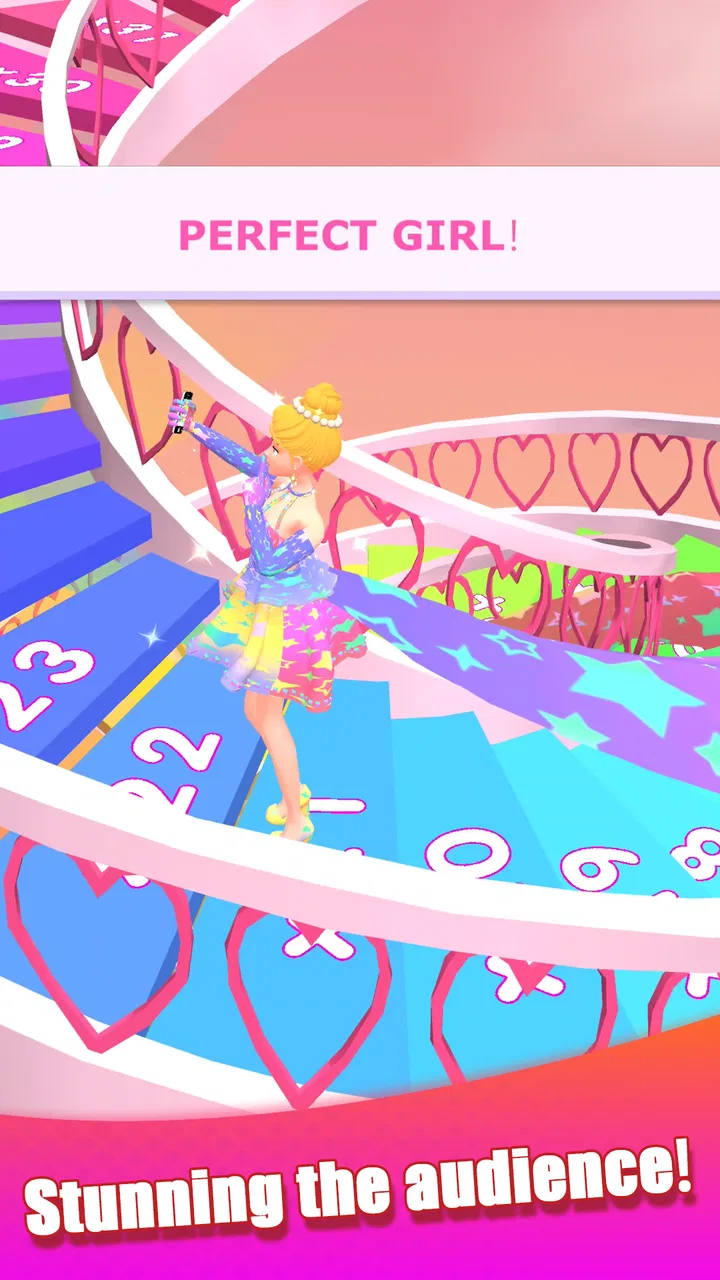
The short-description phrase “Dancing Dress” is a good summary of the central idea, but it does not fully explain why the combination works. Fashion games usually ask me to think about colors, silhouettes, or matching pieces, while rhythm games ask me to react quickly. Here, those moods sit together. I can play for the music and movement, then stay for the small satisfaction of improving the character’s look.
During the first few sessions, I found it useful to treat the styling screen as part of the reward rather than as a separate task. Instead of changing everything randomly, I would decide on a theme before playing: a softer look, a more dramatic stage outfit, or a hairstyle that matched the dress. That tiny bit of planning makes the makeover feel more intentional and prevents the wardrobe element from becoming a sequence of disconnected selections.
The game is also a comfortable choice for brief breaks. I can imagine opening it while waiting for an appointment, taking a few turns during a commute, or using it as a wind-down activity before bed. It does not demand the same commitment as a long story game, and its music-focused presentation gives a little more energy than a purely static dress-up app. For a family audience, the Everyone rating also makes its general tone easy to understand.
Still, the first-week appeal depends heavily on whether the player enjoys repetition. The initial combination of music, hair, and clothing feels fresh because every element is being discovered. Once I understand the basic rhythm and styling cycle, the novelty starts to depend on how much variety the available content provides. Players who need a strong narrative, complex character development, or deep competitive systems may find the opening pleasant but shallow.
How I would approach the early sessions
My best practical tip is to avoid rushing through every makeover option simply to unlock or view it. I get more value by comparing a small number of complete looks and remembering which combinations feel satisfying during the dancing section. This turns the early game into a personal styling experiment instead of a checklist. It also helps reveal whether the fashion side genuinely interests me or whether I am only enjoying the rhythm novelty.
I would also play with sound enabled whenever possible. The music is not just decoration; it gives the rhythm side its identity and makes the timing feel more connected to the presentation. If I play silently, the app becomes much closer to a visual dress-up game with taps attached. That may be useful in a quiet public place, but it weakens the part that separates this title from ordinary fashion alternatives.
Another useful habit is to stop after a natural session rather than continuing automatically. Casual rhythm games can become tiring when every round feels like a variation of the last one. Ending after a successful run or a satisfying outfit leaves the game feeling lighter and makes it easier to return later. In my experience, this kind of pacing protects the early charm better than trying to exhaust every option in one sitting.
What remains useful after the novelty fades
The important question is not whether the game can entertain me for an afternoon. It can. The more revealing test is whether the loop gives me a reason to return after the first outfits and songs no longer feel new. Its lasting value comes from the overlap between two modest forms of progression: improving my rhythm performance and refining the character’s appearance.
That can be enough for players who enjoy small, repeatable goals. I may return because I want a cleaner run, a different visual theme, or a few minutes of music without the pressure of a large game. The experience works best when I see it as a relaxing routine rather than a destination title. It is the kind of app I can keep installed for occasional mood-based play, not necessarily something I would open every day for a long session.
The fashion layer gives the game more recurring value than a rhythm-only alternative would have. In a conventional music game, a familiar track can lose impact once I know its pattern. Here, I can change the presentation around the performance, which gives a repeated attempt a different visual purpose. That does not completely solve repetition, but it gives me another reason to revisit a stage instead of treating it as finished forever.
Compared with a traditional dress-up game, the rhythm element adds a little more involvement. I am not only judging whether an outfit looks good; I am also participating in the performance that frames it. This makes the game a better fit for someone who wants styling with motion and sound. On the other hand, a dedicated fashion game will usually be the better choice for a player whose main interest is detailed wardrobe planning and who does not want timing challenges interrupting that process.
Against a more demanding rhythm game, this title is easier to pick up but less likely to satisfy players who want technical mastery. I would choose it when I want a friendly, visually driven session. I would choose a deeper rhythm-focused alternative when I want demanding charts, serious score chasing, or a stronger sense of musical progression. The distinction matters because the game’s simplicity is both its advantage and its ceiling.
A realistic everyday use case
Imagine finishing work or school with ten minutes to spare before dinner. I can open the game, play a short rhythm sequence, adjust the hairstyle and dress, and close it without needing to remember a complicated plot or manage a large collection. That is where the app makes the most sense. It gives me a small creative decision and a little musical interaction in one compact break.
For a younger player, it can also be a gentle introduction to rhythm mechanics because the fashion presentation makes the activity feel less intimidating. For an adult, the same structure can work as a low-pressure distraction. I would not install it expecting a deep social experience or a long-form campaign; I would install it because the combination makes a short break more playful than scrolling through another feed.
In-app purchases range from under a dollar to just under twenty dollars per item. That matters for the long-term decision because the game’s recurring appeal may tempt a player to spend on additional content or customization. I would recommend deciding on a personal spending limit before getting attached to a particular look. The free entry point makes it easy to test the core loop, but a player who wants every styling possibility should think carefully about whether the extra cost matches the amount of time they expect to spend.
The current version is 1.8.7, and the game runs on Android 7.0 or later. Those details make it accessible to people using older compatible devices, although the actual comfort of play will still depend on the phone’s screen, sound, and performance. Rhythm games are less enjoyable when input feels delayed or the display is cramped, so I would test the timing early rather than assuming that compatibility guarantees a perfect experience.
Where maintenance becomes part of the decision
Every casual game has a maintenance burden, even when it looks effortless. In this case, the burden is not learning a complex system; it is keeping the experience from becoming visually and mechanically routine. I need to vary how I approach outfits, take breaks before the rhythm loop feels automatic, and resist turning every session into a hunt for the next item.
The most effective maintenance strategy is to create small personal themes. I might build a look around a hairstyle first, then choose a dress that supports it, or do the reverse and let the clothing determine the rest of the appearance. This gives the customization a purpose. Without that approach, I can end up tapping through options quickly and forgetting what I selected, which makes the fashion side feel less meaningful.
I also think the game benefits from being installed alongside, not instead of, a deeper favorite. If I want a serious music challenge, I should use a rhythm game designed around that goal. If I want elaborate styling, I should use a fashion title with more room for detailed coordination. This app earns its place when I want the middle ground: music, movement, and appearance without committing fully to either specialist category.
Storage and updates are practical considerations for any game I keep for months, but the more important question here is mental space. Does it remain a pleasant option when I have a few spare minutes, or does opening it feel like another routine to maintain? I would keep it if the music and makeover combination still gives me a distinct mood. If I start opening it only out of habit, the app has probably stopped earning that space.
One trade-off I noticed is that customization can both extend and shorten the game’s life. It extends it because I can revisit familiar play with a new visual goal. It shortens it when the process becomes cosmetic repetition without a meaningful reason to continue. The difference comes down to whether I enjoy making choices for their own sake. Players who need visible progression will likely reach the limit sooner than players who enjoy experimenting with looks.
What can cause fatigue over time
The main source of fatigue is the loop’s predictability. Once I know how a typical session flows, the surprise shifts from gameplay to presentation. That is not automatically a flaw; many relaxing games are built around familiar routines. But it does mean the title is more vulnerable to boredom than a game with a developing story, changing strategy, or a large competitive scene.
The second issue is the balance between rhythm and fashion. If I care mostly about timing, the dress-up component may feel like an interruption between attempts. If I care mostly about clothing, the rhythm sections may feel like a gate I have to pass before reaching the visual reward. The game is at its best for players who genuinely enjoy both sides. Those who strongly prefer one side should know that the other is not merely optional decoration.
Music can also determine how long I stay. A rhythm game lives or dies by whether its audio presentation continues to feel pleasant after repeated sessions. I would not judge the whole experience from one short play period, but I would pay attention to whether I still want to hear the tracks after the initial excitement fades. If the sound becomes irritating or too familiar, the remaining fashion loop may not be enough to carry the app alone.
There is also a spending-related fatigue that can appear in free games. Even when I am happy with the free experience, seeing a desirable item connected to an in-app purchase can change the mood from creative play to comparison. Since individual purchases can reach nearly twenty dollars, I would avoid treating every attractive option as necessary. The healthiest way to use the game is to enjoy the available loop first and regard paid items as optional extras, not as a requirement for the character to look complete.
Another limitation is that the game may not offer enough depth for players who want a strong reason to improve. A better performance is satisfying, but if I need detailed statistics, advanced musical analysis, or a robust competitive ladder, I would look elsewhere. This is not the kind of title I would recommend to someone training seriously with rhythm games. Its strengths are accessibility and presentation, not technical specialization.
Who should keep it installed
I would recommend it to someone who likes fashion games but wants more movement, or to someone who enjoys casual rhythm play and appreciates a visual reward after each attempt. It is especially suitable for short sessions, relaxed experimentation, and players who prefer a clear concept over a complicated interface. The Everyone rating also makes it a straightforward option for a broad audience, provided the player understands that optional purchases are part of the free-to-play structure.
I would be more cautious about recommending it to someone who dislikes repeated patterns, needs a substantial story, or wants a highly technical music game. It is also not my first choice for a player whose only interest is detailed outfit coordination. A dedicated alternative in either direction will probably provide more depth. The reason to choose this one is the blend, not dominance in one category.
For me, the best way to judge it is to play without trying to complete everything immediately. Give the rhythm side enough attention to see whether the timing feels enjoyable, then spend time creating a few looks rather than rapidly viewing every option. If both activities remain satisfying after several separate sessions, the game has a good chance of becoming a useful casual habit. If one half already feels like an obstacle, the novelty will probably disappear quickly.
My lasting-value verdict is positive, but deliberately modest. Dancing Dress - Fashion Girl can earn a permanent place on my phone as a short, colorful music break, especially when I want a little customization with my rhythm play. It does not replace a deep dress-up game or a serious rhythm title, and its repetition becomes more noticeable over time. Still, its compact loop is appealing when used on its own terms: play briefly, style with intention, take breaks, and avoid spending simply to chase novelty.
The game is free to try, has a broad age rating, and comes from TINYMAX HONGKONG LIMITED. With its established audience, a 4.3 average, and a current version of 1.8.7, it is easy to understand why people give it a chance. I would keep it installed for occasional sessions rather than make it my main game. When the mood calls for a quick dance, a new hairstyle, and a small creative reset, it does that job well enough to remain useful after the first-week sparkle has faded.
FAQs for Dancing Dress - Fashion Girl
01What is the main objective of Dancing Dress - Fashion Girl?
Dancing Dress - Fashion Girl is an engaging game where players design and customize outfits for their characters. The main goal is to create stunning looks that match the dance themes, allowing players to express their creativity while competing in dance challenges. Players can unlock new fashion items and dance moves as they progress.
02Is Dancing Dress - Fashion Girl free to play?
Yes, Dancing Dress - Fashion Girl is free to download and play. However, it offers in-app purchases for players who wish to enhance their gaming experience. These purchases may include exclusive outfits, accessories, or energy boosts. Players can enjoy the game fully without spending money, but purchases can add more fun and variety.
03What features does Dancing Dress - Fashion Girl offer?
Dancing Dress - Fashion Girl offers a variety of features, including customizable characters, a wide range of fashion items, and dance themes. Players can participate in dance battles, unlock new levels, and earn rewards. The game also includes a social component, allowing players to connect with friends and share their fashion creations.
04Can I play Dancing Dress - Fashion Girl offline?
Dancing Dress - Fashion Girl requires an internet connection for certain features, such as downloading new content and participating in online competitions. However, some aspects of the game, like customizing outfits and practicing dance routines, can be enjoyed offline. Players should ensure they have an internet connection for the full experience.
05Is Dancing Dress - Fashion Girl suitable for all ages?
Dancing Dress - Fashion Girl is designed to be family-friendly and suitable for players of all ages. The game features colorful graphics and simple mechanics that appeal to younger audiences, while also providing enough depth and challenge to keep older players engaged. Parental guidance is recommended for younger children due to in-app purchases.
Pros
- Intuitive controls for easy gameplay.
- Wide variety of fashion items to unlock.
- Stunning graphics with vibrant colors.
- Engaging music enhances the experience.
- Frequent updates with new content.
Cons
- In-app purchases can become costly.
- Requires internet for some features.
- Ads can be intrusive at times.
- Limited offline gameplay options.
- Occasional lag on older devices.

Dancing Dress - Fashion Girl
Gallery